Hotel Brands, Operators and Who Answers for the Property
Most branded properties are owned by one company, operated by another and licensed to use the name by a third. When something goes wrong, identifying which of them is answerable is a question about control rather than about the sign.

The rule in short
A branded lodging property typically involves an owner, a management company or franchisee that runs day-to-day operations, and a brand that licenses the name and sets standards. A brand is generally not liable for an operator's conduct unless it controlled the activity that caused the harm, or a guest reasonably believed the brand was the operator. Franchise disclosure rules require the relationship to be documented.
A guest checks into a property, sees one name on the building, one name on the key card and one name on the receipt, and reasonably assumes there is one company involved. In branded lodging there are usually three. An owner holds the real estate. An operator, which may be a management company or a franchisee, employs the staff and runs the property. A brand licenses the name and sets standards, and frequently owns none of it.
The three roles and what each controls
The owner holds title, carries the mortgage, and makes capital decisions about the building. The operator holds the state lodging license in most jurisdictions, employs the general manager and the staff, sets the daily rate within brand parameters, and answers to health, fire and licensing authorities. The brand supplies the name, the reservation system, the loyalty program and a book of standards, and inspects for compliance with them.
Two contracts bind the arrangement. A franchise agreement or license grants the right to use the name in exchange for fees and adherence to standards. A management agreement, where the owner has hired a separate operator, delegates day-to-day operation and sets the manager's fee and authority. Both are private documents, but the franchise relationship is subject to a federal disclosure rule that requires the structure to be described before the franchise is sold.
When a brand answers for an operator
The default is that it does not. A licensor of a trademark is not automatically responsible for the conduct of the licensee, and a franchisor is not the employer of a franchisee's staff. The exceptions are two, and both are fact-intensive. The first is actual control: where the brand controlled the specific instrumentality or activity that caused the harm, courts treat it as a principal rather than a licensor.
The framing of that test matters enormously. Broad control over the appearance and marketing of a property rarely satisfies it. Control over the particular function that failed — the hiring and supervision of staff, the security procedure, the maintenance practice — frequently does. That is why cases in this area turn on which standards existed and how prescriptive they were, and why a claim of the kind described in guest safety claims and foreseeability often names both the operator and the brand until the standards are produced.
| Party | Typical role | Usually liable for | Where it becomes exposed beyond that |
|---|---|---|---|
| Property owner | Holds title and makes capital decisions | Conditions arising from the building itself | Where it also operates, or directs operations |
| Operator or manager | Employs staff and runs the property day to day | Staff conduct, procedures, guest-facing decisions | Rarely limited; this is the primary defendant |
| Franchisee | Operates under a licensed name at its own risk | The same as any operator | Where it fails to disclose its separate identity |
| Brand or franchisor | Licenses the name, sets standards, runs reservations | Its own conduct and its own representations | Actual control over the failed activity, or apparent authority |
Apparent authority and the guest's reasonable belief
The second route to a brand is agency by appearance. Where a brand holds a property out as its own, and a guest reasonably relies on that impression in choosing it, the brand can be answerable even without actual control. The elements are a representation by the brand, reasonable reliance by the guest, and a connection between that reliance and the transaction.
Modern distribution makes the representation easy to establish. A guest who searched on the brand's site, booked at a brand rate, paid the brand, accrued brand points and received brand confirmations has interacted almost exclusively with the brand. Brands answer with disclosures stating that the property is independently owned and operated, placed on booking pages, confirmations and signage. Whether those disclosures work depends on prominence and timing, and a disclaimer discovered only in the terms of a confirmation email is weaker than one displayed at the point of choice.
The structure of a property is not visible from outside it, and the documents that reveal it are private until discovery. Claimants therefore name the owner, the operator and the brand at the outset and narrow later, because a limitation period does not pause while the right defendant is identified. Public records shorten the work considerably: the state lodging license names the licensee, county records name the owner of the real estate, and the folio usually names the operating company rather than the brand.
Which duties follow which party
Regulatory obligations generally attach to the operator, because state lodging statutes define an operator and license it. The duty to receive travelers and the grounds for refusing them, examined in the duty to receive and the narrow grounds to refuse, bind the entity running the property. So do posting requirements, safety standards and the liability limits for guest property.
Some federal obligations are drawn differently and follow the reservation system rather than the building. Accessibility rules impose several duties on whoever operates the reservation service, while relaxing three of them for units that the entity does not own or substantially control, a distinction set out in accessible rooms and how they must be held. Fee disclosure rules likewise reach any business that displays a price, which captures the brand's own website alongside the property, as described in the duty to show the total price.
Reading the structure from the documents
The franchise rule requires a disclosure document to be given to a prospective franchisee before the sale, covering the franchisor, the fees, the obligations of each side, restrictions on how the business is run, and the terms of renewal and termination. Those documents are prepared for buyers rather than guests, but they are filed with several state regulators and are frequently obtainable, and they describe in the franchisor's own words how much control the standards impose.
Management agreements are less accessible, since they are private contracts between an owner and a manager. Their contents matter for the same reason: the agreement states whose employees the staff are, who has authority to set procedures, and who indemnifies whom. In litigation these documents arrive early, and the question of who answers for a property is usually settled by them rather than by argument.
What changes when the name changes
Brand conversions happen frequently, and they leave a seam. A property that changed flags may have a new sign, a new reservation system and the same staff, or entirely new management under the same name. For a guest with a claim, the relevant question is who operated the property on the date of the incident, which is answered by the license record and the employer of the staff involved rather than by the current sign.
Prepaid bookings, loyalty points and gift certificates issued under the previous arrangement raise their own questions, and they are contract questions rather than tort ones. The reliable practice is to keep the confirmation that names the contracting entity, because that document identifies who promised what. Where the promise was for a room that is not supplied, the analysis moves to the position described in overbooking and being walked to another property, and the identity of the promisor is the first thing that has to be settled.
Points to carry away
- Ownership, operation and branding are usually held by three different companies.
- A brand is not automatically responsible for the conduct of a franchisee or manager.
- Vicarious liability turns on control over the specific activity that caused the harm.
- Apparent authority can reach a brand where a guest reasonably believed it was the operator.
- Franchise disclosure rules require the structure to be documented before a franchise is sold.
Questions readers ask
How can a guest find out who actually operates a property?
Several public records do it quickly. State business registrations identify the entity holding the lodging license and its registered agent. County property records identify the owner of the real estate. The lodging license itself, which many states require to be displayed, usually names the licensee. Booking confirmations and folios often name a limited liability company rather than the brand, and that name is generally the operator. Together those sources identify the parties before a claim is filed.
Does a loyalty program change who is responsible?
It complicates the apparent authority argument rather than settling it. A guest who booked through the brand's site, paid the brand, earned brand points and received brand communications has a stronger basis for saying the brand held itself out as the provider. Brands respond with disclosures identifying the property as independently owned and operated, and the effectiveness of those disclosures depends on whether a reasonable guest would have seen and understood them.
Are brand standards evidence of control?
They can be, and this is the most litigated question in the area. Standards governing signage, room design, cleanliness scores and reservation systems are usually treated as brand protection rather than operational control. Standards that dictate hiring, supervision, staffing levels or the specific safety procedure said to have failed look much more like control over the activity that caused the harm, which is the test most courts apply.
Sources
- 16 CFR Part 436, Disclosure requirements and prohibitions concerning franchisingThe federal franchise rule requiring pre-sale disclosure of the relationship and its terms.
- 16 CFR 436.1, DefinitionsDefines franchise by reference to significant control or assistance, trademark use and required payments.
- Federal Trade Commission, Franchise Rule Compliance GuideAgency guidance on what the disclosure document must contain and how the relationship is described.
- 15 U.S. Code 45, Unfair methods of competition unlawfulThe enforcement authority behind the franchise and advertising rules that bind brands and operators alike.
- 28 CFR 36.302, Modifications in policies, practices, or proceduresUses an ownership and substantial control test for three reservation duties, a useful federal analogue.
- Florida Statutes section 509.013Defines operator and licensee for state lodging purposes, which identifies the regulated party.
- Florida Statutes section 509.101Requires posting of establishment rules and rates by the operator responsible for the property.
Metro Law Advisors is a publication, not a law firm. This article states general rules and cites its sources; it is not advice about any particular case, and the law differs by state and changes over time.
More in Hospitality & Lodging
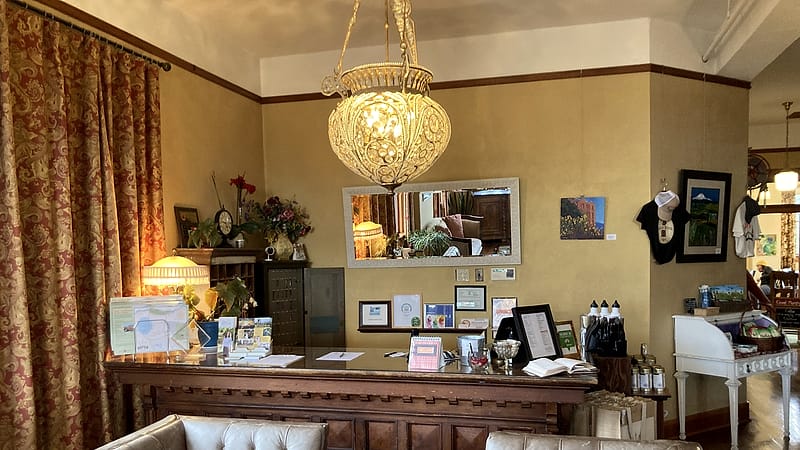
The Innkeeper's Duty to Receive and the Narrow Grounds to Refuse
At common law an innkeeper had to receive any traveler able to pay and fit to be received. Modern lodging statutes restate the duty and list the grounds for refusal: no vacancy, inability or refusal to pay, intoxication or disorderly conduct, exceeding posted occupancy, and use of the room for an unlawful purpose. Federal public accommodation law and state civil rights acts remove protected characteristics from the list, and disability law adds obligations rather than exceptions.

The Innkeeper's Lien on a Guest's Belongings
Statutes give a lodging operator a lien on a guest's baggage and other property for room charges and extras furnished at the guest's request. The lien does not reach exempt property, property belonging to someone else once the operator has notice, or, in many states, the guest's essential items. Enforcement is regulated: some states require a judgment before sale, others prescribe notice, advertising and a public sale, with surplus proceeds held for the owner.
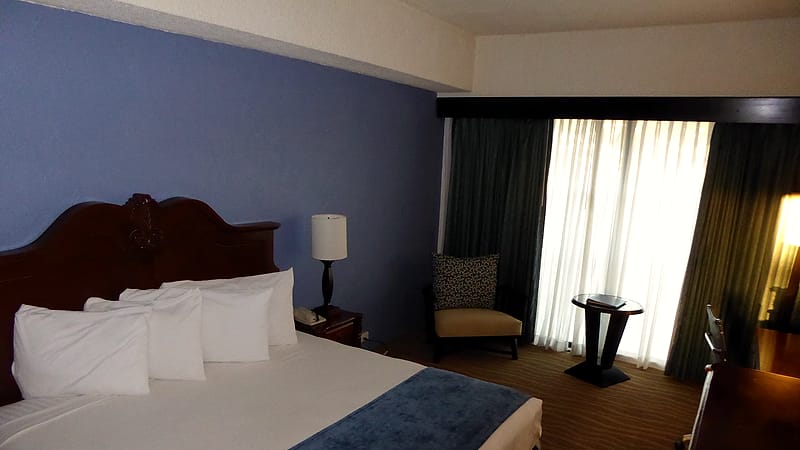
Liability Limits for Property Left in a Room
Every state has replaced the common law innkeeper's near-strict liability for guest property with a statutory cap. The cap typically applies only where the establishment provided a safe or safekeeping facility and posted the statutory notice where guests can see it. Amounts are low and are often split into per-item and aggregate limits. Property accepted for safekeeping usually attracts a separate, higher limit and a receipt requirement. Negligence and refusal of deposit can defeat the cap.