Federal preemption of railroad safety rules, grade crossing warning devices and liability, the injury statute that replaces workers compensation for railroad employees, transit authority immunity, fare enforcement, quiet zones and the duties owed to trespassers.
Rail corridors were assembled by purchase, condemnation and federal land grant, so the interests range from full ownership to a limited easement. When a railroad seeks to abandon a line, the Surface Transportation Board decides whether to authorize it. Before abandonment takes effect, a trail sponsor may seek interim trail use under the National Trails System Act, which railbanks the corridor: the easement does not terminate and reversion does not occur.
Most states owe a trespasser only a duty to refrain from willful or wanton injury, which means a railroad is generally not liable for failing to anticipate someone on the track. The duty rises where the railroad knows people are regularly present at a location, where a crew discovers a person in peril and can still act, and in some states where a child is attracted to dangerous equipment. State statutes separately criminalize presence on the right of way and define its width.
Fare evasion was traditionally a criminal infraction. Many states now let a transit agency adopt an ordinance imposing an administrative penalty instead, enforced by designated inspectors on a proof-of-payment basis. The notice of violation sets a short period to pay or to request review, followed by an administrative hearing and, in most systems, a limited right of appeal to a court. Ignoring the notice usually escalates the amount and can send the debt to collection.
A federal rule requires the horn to be sounded in a prescribed pattern in advance of every public highway-rail grade crossing. A public authority may suspend that requirement by establishing a quiet zone, which requires every public crossing in the corridor to have flashing lights and gates, plus supplementary or alternative safety measures or a risk level below the threshold. Notice to the railroad and the state and federal agencies is required, and the zone can be terminated.
Transit agencies are public entities, so claims against them run through a state claims act rather than ordinary tort procedure. Most states require a written notice of claim within a few months of the injury, then a board decision or a deemed rejection, then suit within a short window measured from that rejection. Damages caps, restrictions on non-economic loss and an immunity for discretionary policy choices further limit what a successful claim is worth.
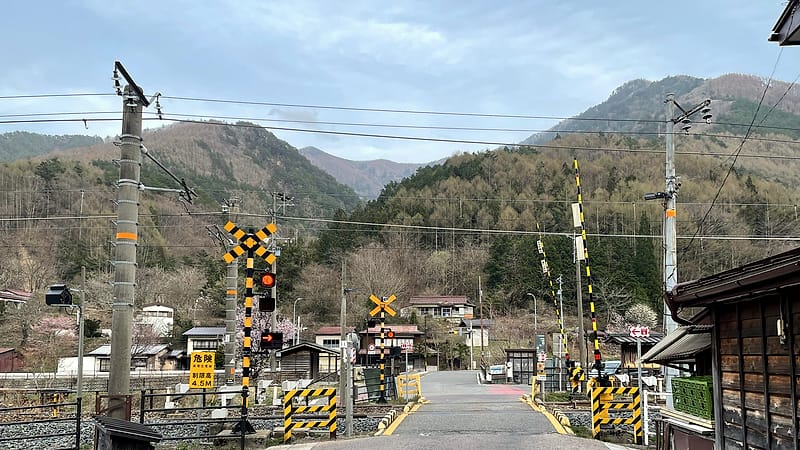
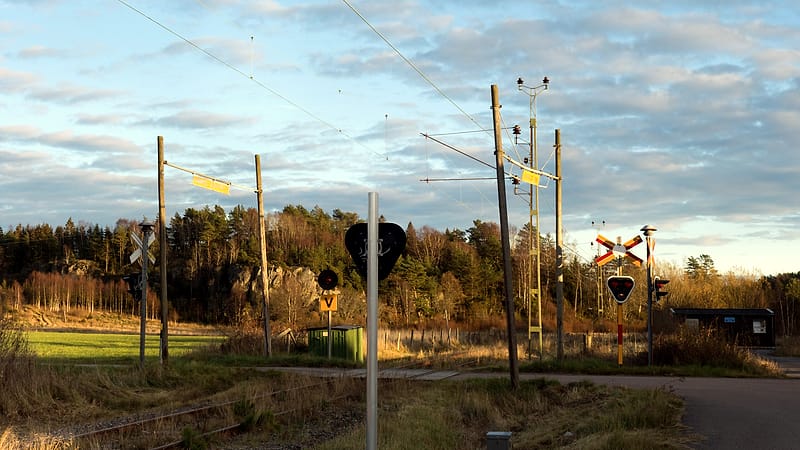
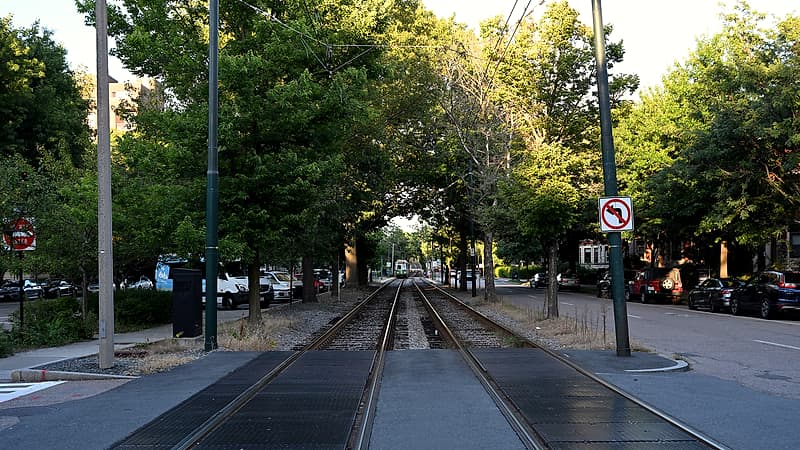
Warning devices at public crossings are selected by the state highway agency, not the railroad. Federal-aid money flows through the railway-highway crossings program, and federal design rules identify the conditions under which automatic gates and flashing lights are required for a funded project. Once a device is federally approved and installed with federal money, its adequacy is generally settled as a matter of federal law.
A crossing case is built from separate duties. The railroad answers for train operation, sight lines on its right of way and the maintenance of any active warning system. The road authority answers for the roadway approach and the signs it owns. The driver owes a duty to look and listen. Federal law displaces some theories outright, and a federal evidence statute bars using state crossing surveys and hazard reports against the agency that compiled them.
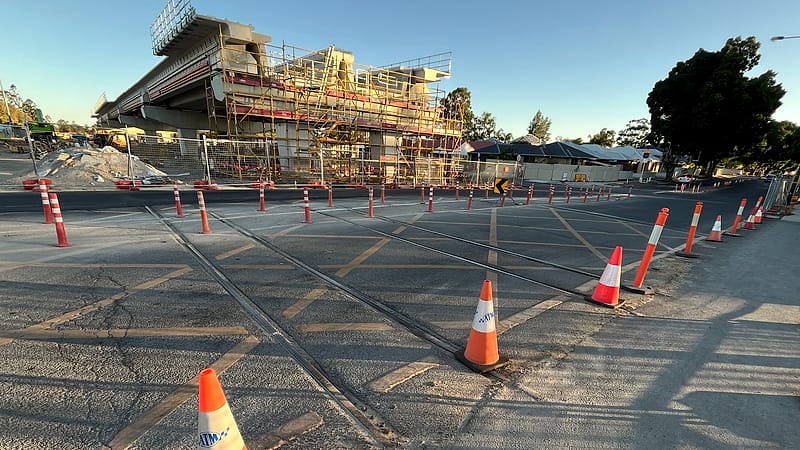
In most states a public grade crossing may not be opened, altered or closed without an order from the state regulatory commission or transportation department. A city, county, railroad or the agency itself may petition. The commission holds a hearing, weighs public safety and convenience against the availability of alternate routes, and apportions the cost of the work among the railroad and the road authorities. Federal-aid funds may pay incentive amounts for closures.
Federal law forbids a railroad from using a vehicle that lacks working couplers, handbrakes, sill steps, ladders and running boards, and forbids using a locomotive whose parts are not in proper condition and safe to operate. These duties are absolute rather than standards of care. When a violation contributes to an employee's injury, negligence need not be proved, assumption of risk does not apply, and damages are not reduced for the employee's own carelessness.
An injured railroad employee sues the carrier for negligence under a federal statute rather than claiming state workers compensation. Fault must be proved, but the causation threshold is whether the employer's negligence played any part in producing the injury. Assumption of risk is abolished, contributory negligence reduces damages instead of barring them, and any contract exempting the carrier is void. Suit must be filed within three years of accrual.
Railroad safety regulation is directed to be nationally uniform. A state requirement stands only until the Secretary of Transportation issues a regulation covering the same subject matter, after which it is displaced unless it targets an essentially local hazard, is compatible with federal law and does not unreasonably burden commerce. A separate subsection preserves damages claims that a railroad broke the federal standard of care or its own federally required plan.