What a Cemetery Plot Actually Conveys
The document a cemetery issues looks like a deed and is often called one. What it transfers in most states is a right to be buried in a described space, with the land itself staying where it was and the cemetery keeping the gate, the rulebook and the equipment.
The rule in short
In most states a cemetery conveyance transfers an exclusive right of interment in a described space, not fee title to the soil. The cemetery retains ownership, controls access and maintenance, and enforces recorded rules on markers, plantings and openings. Rights are transferable only with the cemetery's consent and a recorded assignment, and many cemeteries hold a right of first refusal. Unused rights pass by inheritance, and statutes set how a dormant right is reclaimed.
A cemetery hands the buyer a document with a seal on it, frequently titled a deed. The word invites a natural assumption that a piece of ground has changed hands. In most states it has not. What is conveyed is an exclusive right to have a particular person interred in a described space, and the corporation that runs the cemetery keeps the land, the keys and the rulebook.
The right that is actually sold
The interest goes by several names — right of interment, burial right, right of sepulture — and it behaves like a license coupled with an interest rather than like a parcel of real estate. It is exclusive against the world for the described space. It is perpetual in duration in most states. It is exercisable only in the manner the cemetery permits, which is why the cemetery opens and closes every grave itself rather than allowing the holder to bring equipment.
Statutes reinforce the character of the interest. Provisions commonly declare that a plot conveyed to an individual is the separate property of the named owner, that a conveyance may be made by deed or by certificate of ownership, and that the interest is not subject to the ordinary claims of creditors. Those protections make sense for a burial right and would be peculiar for an ordinary parcel of land.
| What is bought | Interest conveyed | Who controls the space | Typical transfer route |
|---|---|---|---|
| Grave space in a commercial or nonprofit cemetery | Exclusive right of interment | Cemetery, under recorded rules | Assignment consented to and recorded by the cemetery |
| Mausoleum crypt or columbarium niche | Right of entombment or inurnment in a structure | Cemetery, which also maintains the building | Assignment, often with tighter resale limits |
| Space in a scattering garden | Right to have remains scattered, usually with a name on a common memorial | Cemetery | Frequently not transferable at all |
| Family burial ground on privately owned land | Fee title to the land, burdened by burials | Landowner, subject to statutory access rights | Ordinary deed, with the graves running with the land |
What the cemetery keeps
Three powers stay behind. The first is title, which means the cemetery decides where roads run, which sections are developed, and how the grounds are landscaped. The second is control of access: gates, hours, and the terms on which visitors and contractors enter. The third is the rulebook, a set of recorded rules and regulations that governs marker size and material, vault requirements, plantings, decorations and the removal of items left on graves.
Those rules are binding on holders and their successors even though most buyers never read them. They can be amended by the cemetery, subject to statutory limits and to the principle that an amendment cannot destroy the substance of a right already sold. In practice the rules explain most of the disputes families have with cemeteries: a rejected upright monument, a required outer burial container, or a seasonal clearing of decorations.
Who may be interred, and who decides
The holder of the right decides who is buried in the space, subject to the cemetery's rules on capacity. Many statutes convert a plot conveyed to an individual into a family plot, giving the holder's spouse, children and parents rights of interment in it, and directing how the unused portion descends. The result is that a single grave can carry several people's expectations, and those expectations are enforceable.
Capacity is a separate question from ownership. A single grave space frequently permits more than one interment where cremated remains are involved, and double-depth graves are common. What the space will hold is a matter of the cemetery's rules and the physical section, not of the deed, and it should be confirmed in writing before a family plans around it. The related question of where ashes may go when a cemetery is not the destination is covered in the rules on scattering and dividing cremated remains.
A cemetery's own records are the operative register of who holds what. A certificate found in a family's papers means little if the cemetery's books show a later assignment, a repurchase, or an interment that used the space. Before planning around an inherited right, ask the office for a written confirmation of the current holder, the spaces remaining, and the interments already made. That letter costs nothing and settles most disagreements before they start.
Transferring, repurchasing and abandoning
Transfers almost always run through the cemetery. The conveyance and the rules typically require written consent and an entry in the cemetery's records, and many cemeteries reserve a right of first refusal at a stated price. Some state statutes regulate what a cemetery may charge for a transfer and require it to act on a request within a reasonable time. A private sale between families that the cemetery has not recorded is unenforceable at the gate, which is where enforcement matters.
Repurchase terms are usually less generous than buyers expect. A cemetery that agrees to take a right back commonly pays the original price rather than the current one, sometimes less an administrative charge, on the reasoning that the buyer has held an option on a space the cemetery could not sell. Statutes in a few states set a floor for the refund, and endowment care contributions are generally not refunded because they have already been deposited into a permanent fund.
Dormant rights, care funds and neglect
Rights sold generations ago and never used are a persistent problem for older cemeteries, because the space is committed and the holders cannot be found. Statutes in many states supply a reclamation procedure: notice to the last known holder, publication, a waiting period measured in years, and a filing that returns the right to the cemetery if nobody appears. The procedure is deliberately slow, and a cemetery that shortcuts it exposes itself to a claim from an heir who surfaces later.
Maintenance runs on a separate mechanism. Endowment care statutes require a percentage of each sale to be deposited into a permanent fund whose income, not principal, pays for mowing, road repair and general upkeep of the grounds. The fund maintains the cemetery, not the individual monument, which remains the family's responsibility unless a separate care contract says otherwise. Where the fund is inadequate or was never established, the grounds deteriorate in the pattern described in abandoned cemeteries and who must maintain them.
None of these rights includes a right to move a burial once made. Disinterment is a distinct proceeding with its own consents and permits, and the cemetery's agreement is only one of the requirements, as set out in the consents and permits needed to move a grave. The interment right holder controls the space; the law controls what happens to what is in it.
Points to carry away
- A cemetery deed generally conveys an exclusive right of interment rather than ownership of the ground.
- The cemetery keeps title, controls the gate and hours, and performs every opening and closing itself.
- Recorded cemetery rules govern markers, vaults, plantings and decorations, and they bind later buyers.
- Transfers usually require the cemetery's written consent and an entry in its records to be effective.
- An unused right passes to heirs, and statutes set the procedure by which a dormant right may be reclaimed.
Questions readers ask
Can a family sell an unused grave to another family directly?
Rarely without the cemetery's involvement. Most conveyances and most state statutes make a transfer effective only when the cemetery consents in writing and records the assignment, and many give the cemetery a right of first refusal at the original price or a formula price. A private sale that the cemetery never records leaves the buyer holding a piece of paper the gatekeeper does not recognize. The practical route is to ask the cemetery office what its repurchase and transfer terms are.
Who inherits a burial right when the holder dies without using it?
It passes like other property, subject to statutes written specifically for cemetery rights. Several states provide that a plot conveyed to an individual becomes a family plot in which the holder's spouse, children and parents have interment rights, and that the unused portion descends to heirs. Because the interest is small and often overlooked in probate, cemeteries commonly accept an affidavit of heirship rather than letters from a court, but the office sets that policy.
Does the cemetery have to maintain the grave forever?
It depends on whether the sale included endowment care. Statutes in most states require a fixed share of the price of each right to be deposited in a permanent care fund, with only the income spendable on maintenance. Where a cemetery sold rights before endowment care was required, or was never subject to it, maintenance rests on whatever the contract says and on statutes addressing neglected grounds, which is a different and much weaker set of tools.
Sources
- California Health and Safety Code section 8600Treats plots conveyed to individuals as the separate property of the named owner.
- California Health and Safety Code section 8650Provides how a plot conveyed by deed or certificate becomes a family plot and how unused portions pass.
- California Health and Safety Code section 8738Governs endowment care funds and the deposits a cemetery must make from sales.
- California Health and Safety Code section 8785Addresses the use and limits of endowment care fund income for maintenance.
- Florida Statutes section 497.005Defines burial right, interment right and related cemetery terms under a licensing statute.
- Code of Virginia section 57-27.1Illustrates statutory access rights that attach to graves independently of who owns the surrounding land.
Metro Law Advisors is a publication, not a law firm. This article states general rules and cites its sources; it is not advice about any particular case, and the law differs by state and changes over time.
More in Funeral & Cemetery

Price Quotes by Telephone and the Disclosures Owed Before a Visit
Under the Funeral Rule a provider must give accurate price information to anyone who asks by telephone, drawn from its price lists or other readily available information. No name or telephone number may be required first, and no appointment may be demanded. Once a discussion of arrangements begins in person, a printed general price list must be handed over, and casket and container lists must arrive before those goods are shown. Price lists must be kept for inspection.

Natural Burial and Newer Authorized Methods
State law authorizes disposition methods by name. Conventional burial and cremation are available everywhere; alkaline hydrolysis and natural organic reduction exist only where a statute defines the process and licenses the facility. Natural burial is not a separate legal method but a set of cemetery rules on chemicals, containers and vaults. What each produces differs, and the destination rules that follow depend on how the statute classifies the output.
Abandoned Cemeteries and Who Must Maintain Them
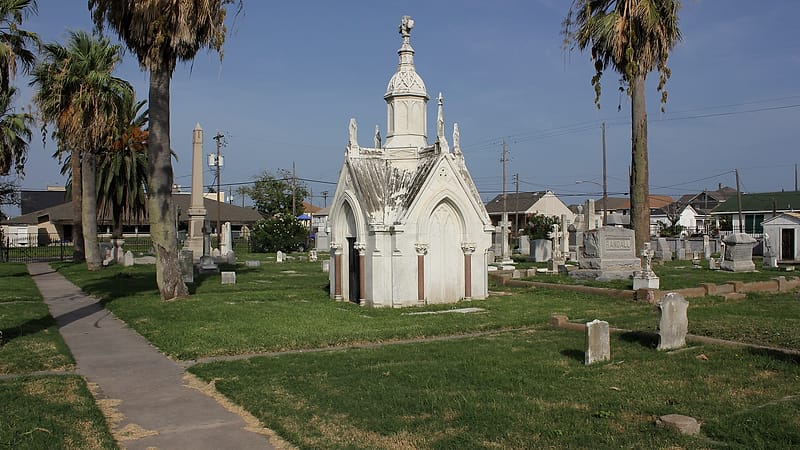
Maintenance of a cemetery is funded by an endowment care fund built from a percentage of each sale, with only the income spendable. Where the fund is absent or too small, statutes assign residual duties to townships or counties, often triggered only by a finding of abandonment. Descendants rarely compel maintenance but do hold statutory access rights to graves on private land, enforceable by injunction.