Where Cremated Remains May Lawfully Go
Ashes may be kept, divided, buried, placed in a niche or scattered, and no state requires any particular outcome. Each destination has its own gatekeeper, though, and the permission needed depends entirely on who controls that ground or that water.
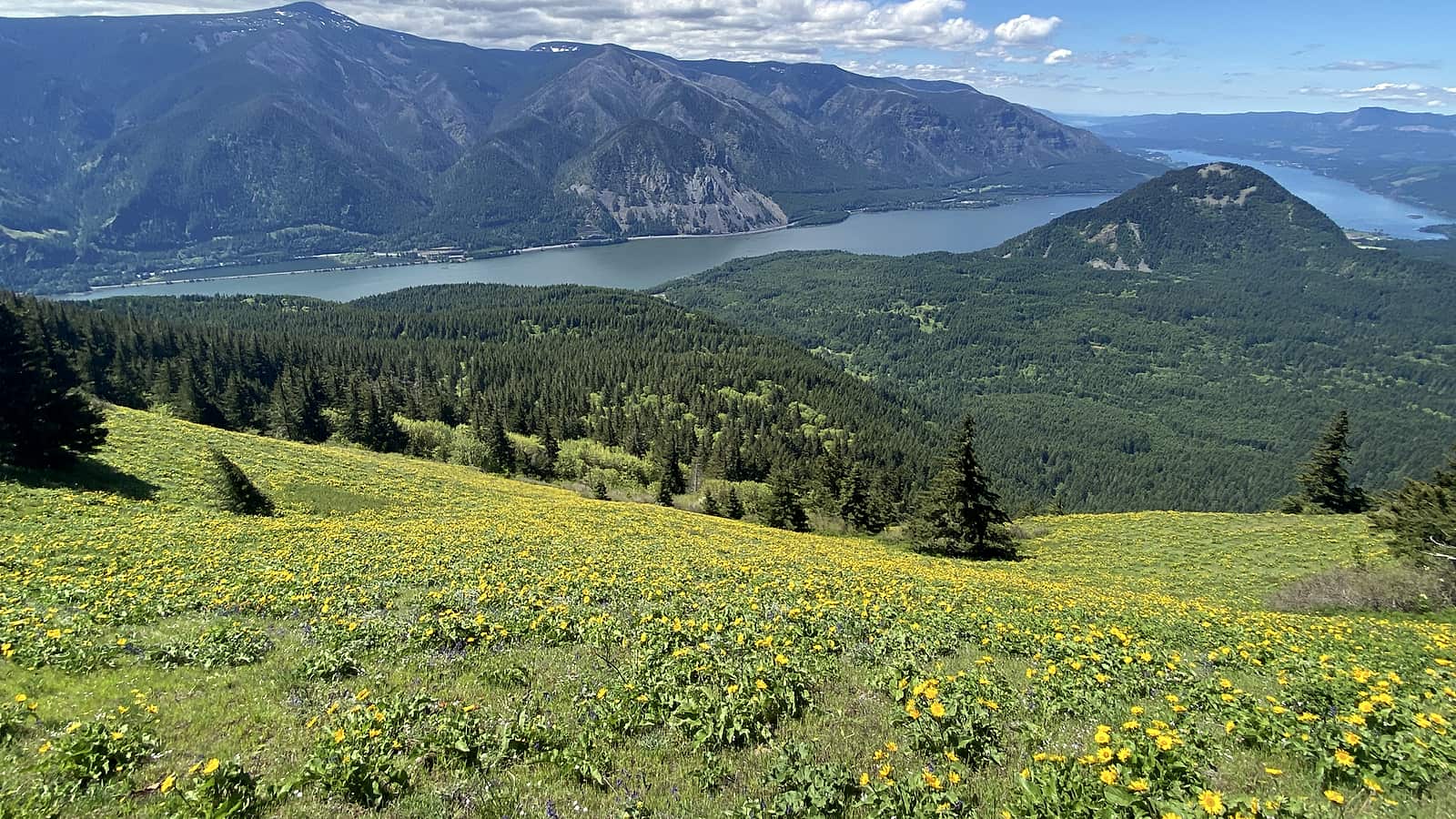
The rule in short
Cremated remains are not treated as waste, and most states allow wide freedom in placing them, subject to permission from whoever controls the place. Scattering on private land generally requires the owner's written permission, and statutes commonly require the remains to be removed from the container and left indistinguishable. National park units require a permit. Burial at sea falls under a federal general permit with a three nautical mile minimum and a reporting duty within thirty days.
Cremated remains are the only product of a funeral that a family carries away and then has to decide about a second time. The law is unusually permissive about the decision. Remains may be interred, placed in a niche, kept, divided or scattered, and no state requires any particular outcome. What the law does regulate is the destination, and the rule for each destination comes from whoever controls that ground or that water.
How the law classifies cremated remains
Statutes treat cremated remains as remains, not as refuse. That classification does two things. It keeps disposal out of the general waste rules, so ashes are not something to be placed in a household bin, and it keeps the decision with the person who held the right of disposition rather than with whoever now happens to possess the container. That person's identity comes from the ranking described in the statutory order of who decides.
Most state statutes list the lawful destinations in a single section: interment in a cemetery, entombment or inurnment in a structure, placement in a scattering garden, scattering at sea or in inland navigable waters, scattering on land with permission, and retention by a person entitled to receive them. The list is broad enough that the practical question is almost never whether a plan is lawful in principle, but who has to agree to it.
Private land and the written permission requirement
Scattering on land belonging to someone else requires that owner's permission, and several states require it in writing. Two conditions frequently travel with the permission: the remains must be removed from their container before scattering, and after scattering they must not be distinguishable to the public. Both conditions are aimed at the same thing, which is that a scattering should not leave a visible deposit or a plastic vessel behind.
Local prohibition is the overlooked variable. Statutes that permit scattering commonly do so only where no local ordinance forbids it, which leaves room for a city or a park district to prohibit the practice within its boundaries. A family scattering on its own land generally needs no permission at all, but a later sale of that land does not create any right for the family to return, which is a reason some families choose a cemetery scattering garden instead.
| Destination | Permission needed | Who grants it | Common conditions |
|---|---|---|---|
| Private land owned by someone else | Written permission of the owner | The landowner | Remains out of the container; nothing distinguishable left behind |
| Cemetery scattering garden | Contract with the cemetery | The cemetery authority | Recorded in cemetery records; often a name on a common memorial |
| National Park Service unit | Permit | The superintendent of the park | Location, timing and method fixed by the permit conditions |
| Ocean waters | Federal general permit, no application required | Conditions set by regulation | At least three nautical miles from land; report within thirty days |
| State or municipal park land | Permission of the governing agency | State parks agency or local government | Some agencies prohibit the practice entirely |
Public land, parks and the permit habit
Public land is administered land, and administration means permits. National Park Service regulations make the scattering of human ashes from cremation in a park unit subject to a permit, which the superintendent issues with conditions on location, method and timing. Parks commonly exclude developed areas, water supplies, trails and archaeological sites, and some units decline the activity entirely because of visitor density.
State parks, national forests, wildlife refuges and municipal open space each run their own system, and the answers differ within a single county. The reliable approach is to ask the managing agency in writing and keep the reply, because a ranger asked on the day has no way to verify a permission granted by telephone months earlier. Where the answer is no, a neighboring parcel under different management frequently allows what the first would not.
Sea burials fail their permit conditions more often over what accompanies the remains than over the remains themselves. The federal general permit allows only materials that are readily decomposable in the marine environment to be placed at the site. A plastic urn, a wrapped bouquet, a laminated photograph or a weighted container of non-decomposable material takes the event outside the permit. Flowers alone, released loose, are the version that complies.
Sea burial and inland navigable waters
Burial at sea is authorized by a federal general permit, which means no individual application is filed but the conditions bind anyway. Remains must be placed no closer than three nautical miles from land. Remains that have not been cremated must go into water of a stated minimum depth, deeper in several designated areas, while cremated remains may be placed without regard to the depth limits. Only decomposable materials may accompany them.
The permit carries a reporting duty that families routinely miss: the burial must be reported within thirty days to the regional office of the environmental agency for the region the vessel departed from. Commercial operators handle the filing as a matter of course; a family using its own boat is the one that forgets. Inland waters are governed by state law rather than by the federal permit, and statutes typically allow scattering in navigable waters while excluding lakes and streams and forbidding scattering from bridges and piers.
Dividing, keeping and the record that follows
Division among family members is lawful in most states and is done at the crematory or afterward. Because the authority to divide belongs to the person entitled to control disposition, the instruction should be in writing, and the crematory's own paperwork usually provides a line for it. That paperwork is created under the identification and authorization rules described in the sequence a crematory must complete.
Where part of the remains is to be interred in a cemetery, the cemetery's rules apply to that part: the container it will accept, the space used, and whether the interment consumes a full right or a portion of one. Those rules come from the conveyance and the recorded regulations examined in what a cemetery plot actually conveys, and they are worth reading before promising a portion to a relative in another state.
The last practical point is documentary. Long after the event, someone will ask where the remains went, and the answer is easiest to give when three items were kept together: the cremation certificate, the authorization form naming the destination, and any permit or written permission obtained. That file also settles the question when a plan changes, since remains kept at home may later be interred, and a newer method chosen for a second death may not match the first, which is the comparison drawn in natural burial and newer authorized methods.
Points to carry away
- Scattering on land someone else owns generally requires that owner's written permission.
- Statutes commonly require remains to be removed from the container and left not distinguishable to the public.
- National Park Service regulations require a permit before ashes may be scattered in a park unit.
- Federal rules place burial at sea no closer than three nautical miles from land and require a report within thirty days.
- Only readily decomposable materials may be placed at a sea burial site, which excludes most wreaths and containers.
Questions readers ask
Is it lawful to keep cremated remains at home indefinitely?
Yes in every state. Nothing requires cremated remains to be interred, and a household may keep them for as long as it wishes. The practical issues arise later rather than sooner: a container that passes between households without a record, a house sale, or a family disagreement about who holds them. Recording the destination on the cremation authorization, and keeping the crematory's certificate with the container, prevents most of the confusion that follows a second death in the family.
Can cremated remains be divided among several people?
Generally yes, and providers routinely divide remains among multiple containers on request. The division should be authorized in writing by the person entitled to control disposition, because the authority to divide belongs to that person rather than to whoever asks. Cemeteries may impose their own conditions if part of the remains is to be interred, and some scattering permits require a stated quantity. Keepsake containers sold for a portion of the remains are ordinary goods and are priced as such.
What about scattering from an aircraft?
Scattering by air is common and is generally lawful where the ground below permits it, because the permission that matters attaches to the destination rather than to the aircraft. Federal rules on dropping objects from aircraft turn on whether the drop creates a hazard to people or property on the ground. Operators handle this by scattering cremated remains alone, with no container or non-decomposable material released, over water or open land where scattering is allowed.
Sources
- California Health and Safety Code section 7116Requires the property owner's or governing agency's written permission and that remains be removed from the container and left indistinguishable.
- California Health and Safety Code section 7117Governs scattering at sea and inland navigable waters, including a minimum distance from shore and a bar on scattering from bridges or piers.
- California Health and Safety Code section 7054.6Sets out the lawful methods of disposing of cremated remains under state law.
- 40 CFR 229.1, Burial at seaThe federal general permit: distance and depth minimums, the decomposable materials limit and the thirty-day report.
- United States Environmental Protection Agency, Burial at SeaAgency guidance on the general permit, including how and where the required report is filed.
- 36 CFR 2.62, MemorializationRequires a permit before scattering human ashes from cremation in a National Park Service unit.
Metro Law Advisors is a publication, not a law firm. This article states general rules and cites its sources; it is not advice about any particular case, and the law differs by state and changes over time.
More in Funeral & Cemetery

Price Quotes by Telephone and the Disclosures Owed Before a Visit
Under the Funeral Rule a provider must give accurate price information to anyone who asks by telephone, drawn from its price lists or other readily available information. No name or telephone number may be required first, and no appointment may be demanded. Once a discussion of arrangements begins in person, a printed general price list must be handed over, and casket and container lists must arrive before those goods are shown. Price lists must be kept for inspection.
Natural Burial and Newer Authorized Methods
State law authorizes disposition methods by name. Conventional burial and cremation are available everywhere; alkaline hydrolysis and natural organic reduction exist only where a statute defines the process and licenses the facility. Natural burial is not a separate legal method but a set of cemetery rules on chemicals, containers and vaults. What each produces differs, and the destination rules that follow depend on how the statute classifies the output.
Abandoned Cemeteries and Who Must Maintain Them
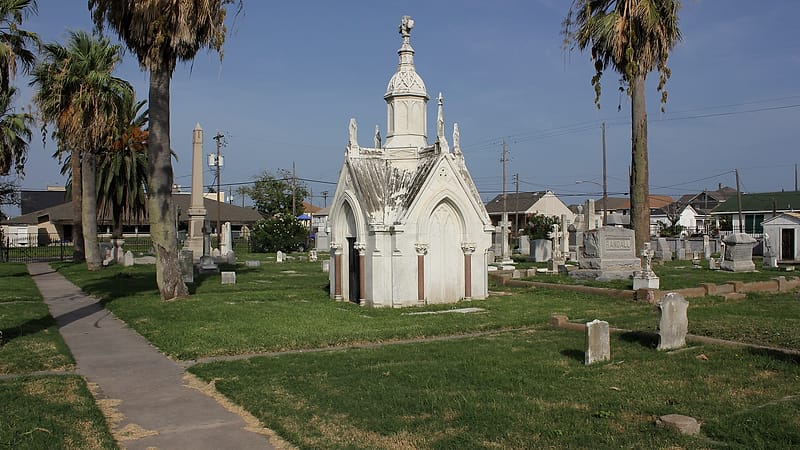
Maintenance of a cemetery is funded by an endowment care fund built from a percentage of each sale, with only the income spendable. Where the fund is absent or too small, statutes assign residual duties to townships or counties, often triggered only by a finding of abandonment. Descendants rarely compel maintenance but do hold statutory access rights to graves on private land, enforceable by injunction.