Getting a Towed Vehicle Back and Contesting the Charge
Three separate protections operate: a notice that must go out within a short window, a release the operator cannot condition on signing away claims, and a hearing that decides whether the storage was justified in the first place.
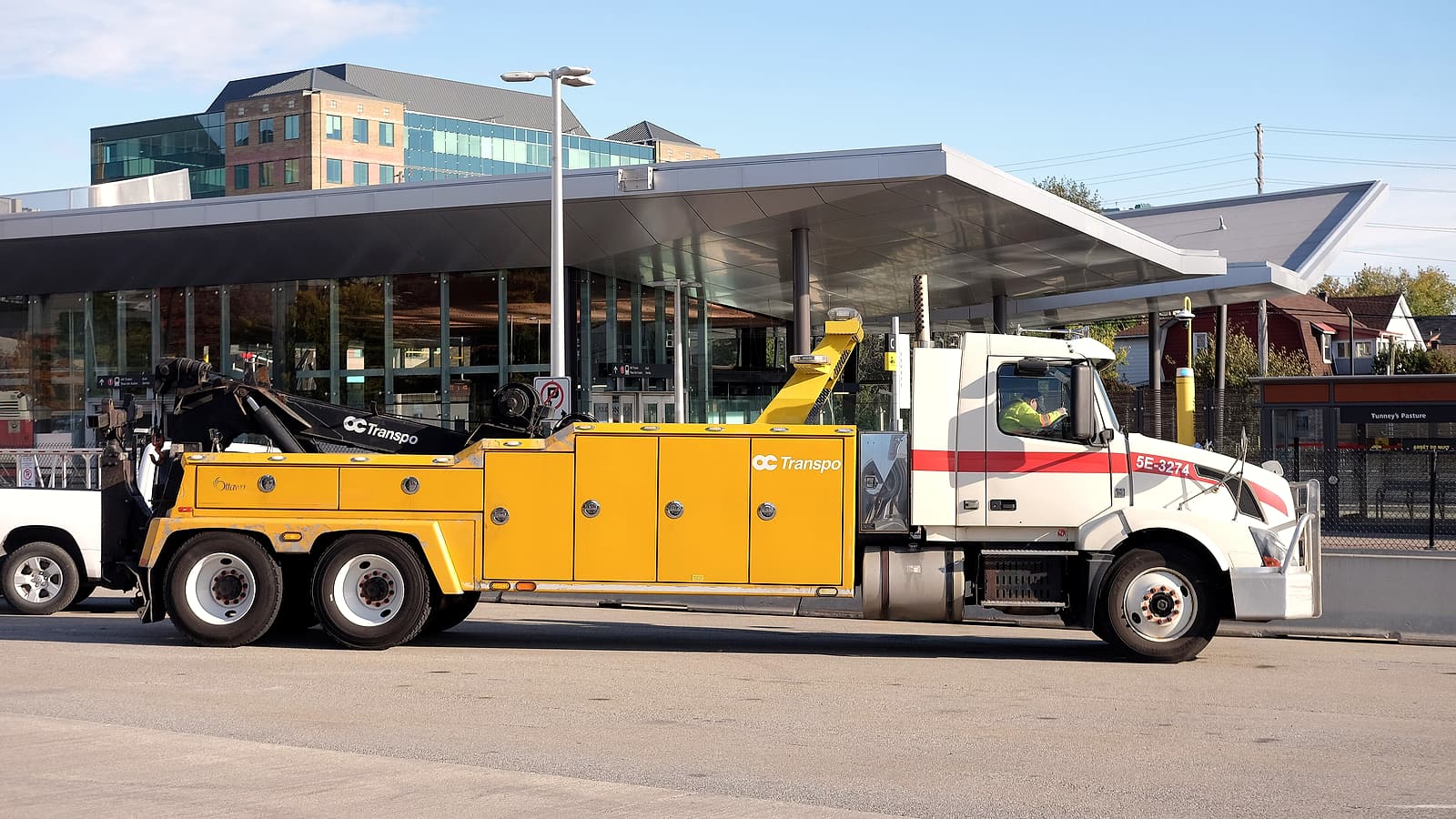
The rule in short
After a vehicle is stored, notice must be given to the registered and legal owners within a short statutory window, stating where the vehicle is, why it was removed and how to request a hearing. Release is generally required within a stated time of the request, the owner may inspect before accepting, and no waiver of damage claims may be required as a condition. A poststorage hearing determines whether reasonable grounds for the storage existed.
Recovering a towed vehicle is a race between two clocks. Storage charges accrue daily from the moment the vehicle arrives, and the periods for notice and for requesting a hearing run at the same time. Understanding which obligations sit on the operator, which sit on the agency and which sit on the owner is what keeps the process from resolving itself through accumulated fees.
The notice that must go out
Where a public agency directs the storage of a vehicle, notice of the storage must be mailed or personally delivered to the registered and legal owners within a short window, commonly forty-eight hours excluding weekends and holidays.
The content is prescribed. The notice states the name, address and telephone number of the agency providing it; the location of the place of storage and a description of the vehicle including, if available, the make, manufacturer, license plate number and mileage; the authority and purpose for the removal; and a statement that in order to receive a poststorage hearing the owners or their agents must request it in person, in writing or by telephone within ten days of the date appearing on the notice.
Where a vehicle is removed from private property, a parallel obligation falls on the tow operator. If the operator knows or can ascertain the name and address of the registered and legal owners from the property owner or the registration records, it must immediately give written notice of the removal, the grounds for it and the place to which the vehicle has been taken, and give a copy to the storage facility.
The poststorage hearing
The hearing exists to determine the validity of the storage, which in practice means whether reasonable grounds for it were established.
The timetable is short on both sides. The request must be made within ten days of the date on the notice, and the hearing must be conducted within forty-eight hours of the request, excluding weekends and holidays. The agency may authorize its own officer or employee to conduct it, provided the hearing officer is not the person who directed the storage.
Failure by the owner to request or to attend a scheduled hearing satisfies the hearing requirement, which means the right lapses rather than persisting. Where the hearing determines that reasonable grounds for the storage were not established, the agency employing the person who directed it is responsible for the towing and storage costs.
Several categories are carved out. Vehicles abated under an abandoned vehicle abatement program, vehicles impounded for investigation, vehicles removed from private property under the private towing provision, and low-value abandoned vehicles are commonly excluded from the hearing right.
| Step | Who acts | Typical deadline |
|---|---|---|
| Notification to law enforcement | Property owner and tow operator | Within an hour of authorizing, and within thirty minutes of completing the tow |
| Notice of storage to owners | The agency or the tow operator | Within forty-eight hours, excluding weekends and holidays |
| Request for a hearing | Registered or legal owner or agent | Within ten days of the date on the notice |
| Hearing held | The agency | Within forty-eight hours of the request, excluding weekends and holidays |
| Release of the vehicle | The storage operator | Within a stated time of the request, commonly one hour |
Getting the vehicle out
Release obligations are precise and they are frequently the ones a vehicle owner can enforce most easily.
Once a vehicle has been towed under the private property provisions, it must be released to its owner or the person in control within a stated period after the request, commonly one hour. The storage site must be open for redemption on any day the operator is open for towing, during stated hours, and when closed must display a sign giving a telephone number where the operator can be reached at all times. On a telephoned request to open the site, the operator must return within an hour.
Location is regulated too. Statutes commonly require the vehicle to be stored within a stated radius of the point of removal, with a larger radius where no qualifying operator exists closer.
The vehicle owner has the right to inspect the vehicle before accepting its return, and no release or waiver of any kind releasing the towing operator from liability for damage noted at the time of redemption may be required as a condition of release. A detailed signed receipt showing the legal name of the company must be given to the person paying, whether or not they ask.
The inspection right is the single most useful protection in the statute and the most commonly waived by accident. Once a vehicle has left the lot, proving that damage occurred during the tow or in storage becomes extremely difficult. The sequence that preserves the claim is to inspect, note any damage in writing at the point of redemption, refuse to sign any document releasing liability, and keep the receipt.
Stopping a tow before it becomes one
A driver who returns while the vehicle is still on the property has statutory protection that disappears the moment the truck moves.
Possession under the private property provisions is deemed to arise when the vehicle is removed from the property and is in transit. On the request of the vehicle owner or their agent, a towing company must immediately and unconditionally release a vehicle that is not yet removed and in transit, and failing to do so is a criminal offense in some states.
Where the vehicle has already been coupled to the tow truck or lifted, a reduced charge is permitted, commonly not more than one half of the regular towing charge, and the full charge may be imposed only once the vehicle has left the property and is in transit. A vehicle released on the property must then be moved to a lawful location immediately.
Disputing the charge itself
The hearing decides whether the storage was justified, not what it should cost. Charges are addressed by a separate set of rules, including rate filing obligations, posted schedules and excessive charge provisions, described under vehicle storage charges and the caps on them.
Where the tow itself was unauthorized because the property was not properly posted, the remedy is not the hearing but the liability provisions of the towing statute, which commonly impose double the towing and storage charges on the person who authorized the removal. Those conditions are set out under signage that makes a private tow lawful.
If nothing is done, the operator's possessory lien matures and the vehicle heads toward a lien sale and a new title, a process described under titling an abandoned vehicle after a lien sale. The charges continue to accrue throughout, which is why delay is the most expensive option available.
Points to carry away
- Notice of storage must reach the registered and legal owners within a short period, commonly forty-eight hours excluding weekends.
- The notice must state where the vehicle is stored, the authority and purpose for removal and how to request a hearing.
- A hearing request is typically due within ten days of the notice date, and the hearing follows within days of the request.
- Release is required promptly on request, and the owner may inspect the vehicle before accepting it.
- A release or waiver of damage claims may not be required as a condition of returning the vehicle.
Questions readers ask
Can the storage facility refuse to release the car until the bill is paid?
Generally yes, because the operator holds a possessory lien for the towing and storage charges and possession is what secures it. What the operator cannot do is impose conditions the statute does not permit, such as requiring a waiver of damage claims, refusing to allow an inspection, or demanding payment by a method it has not disclosed. Statutes also commonly require release within a short time of a request and require a detailed receipt to be given, whether or not the person paying asks for one.
What is decided at a poststorage hearing?
Whether reasonable grounds for the storage existed. It is not a forum for disputing the amount of the bill or the quality of the towing, and it does not decide ownership. The hearing officer may be an officer or employee of the agency involved, provided it is not the person who directed the storage. Where the hearing determines that reasonable grounds were not established, the agency employing the person who directed the storage becomes responsible for the towing and storage costs.
Do the hearing rights apply to a tow from private property?
Often not, which surprises people. The poststorage hearing provisions in some states are addressed to storage directed by a public agency and expressly exclude vehicles removed from private property. Where the exclusion applies, the vehicle owner's remedies against an improper private tow lie in the liability provisions of the towing statute and in ordinary civil claims, rather than in an administrative hearing. That difference is one of the reasons the signage conditions carry so much weight.
Sources
- California Vehicle Code § 22852 — Poststorage hearingSets the forty-eight hour notice, the ten-day request window and the hearing timetable.
- California Vehicle Code § 22853 — Notice to owners after removalRequires notice to the registered and legal owners once a vehicle is placed in storage.
- Florida Statutes § 715.07 — Vehicles parked on private propertyRequires release within an hour of request, inspection rights and a detailed receipt.
- Florida Statutes § 713.78 — Liens for recovering, towing or storing vehiclesSets the notice to owners and lienholders and the procedure for contesting the lien.
- California Vehicle Code § 22658 — Removal from private propertyRequires immediate written notice by the tow operator and immediate release before transit.
- California Vehicle Code § 22850 — Storage of removed vehiclesGoverns placing a removed vehicle into storage and the garage that may hold it.
Metro Law Advisors is a publication, not a law firm. This article states general rules and cites its sources; it is not advice about any particular case, and the law differs by state and changes over time.
More in Liens & Towing
Signage That Makes a Private Tow Lawful
Statutes authorizing removal of a vehicle from private property without the owner's consent generally require a sign posted in plain view at each entrance, of a stated minimum size with lettering of a stated height, prohibiting unauthorized parking, stating that vehicles will be removed at the owner's expense, and giving telephone numbers. Where the sign does not comply, the tow is unauthorized and statutes commonly impose double charges or other liability.

Titling an Abandoned Vehicle After a Lien Sale
Converting a possessory lien into a transferable title requires an application to the state vehicle agency, which supplies the registered owner and every recorded lienholder from the title record. Notice goes to each of them with a stated opportunity to pay or to oppose. Where no valid opposition is filed, the sale proceeds after publication and the buyer applies for a certificate of title supported by the lien sale documents.

The Repair Lien on a Vehicle Left With a Shop
Statutes give a person who performs labor or supplies materials on a vehicle a lien on it for the reasonable value of the work. The lien is possessory: it depends on retaining the vehicle and is generally lost by voluntary surrender, without revival when the vehicle returns. It secures only authorized work, so a shop that exceeds a written estimate or works without authority may hold no lien for the excess.