The Repair Lien on a Vehicle Left With a Shop
Two facts decide whether a shop holds a lien at all: whether the work was authorized by someone entitled to authorize it, and whether the shop still has the vehicle. Handing the keys back ordinarily ends the lien for good rather than suspending it.
The rule in short
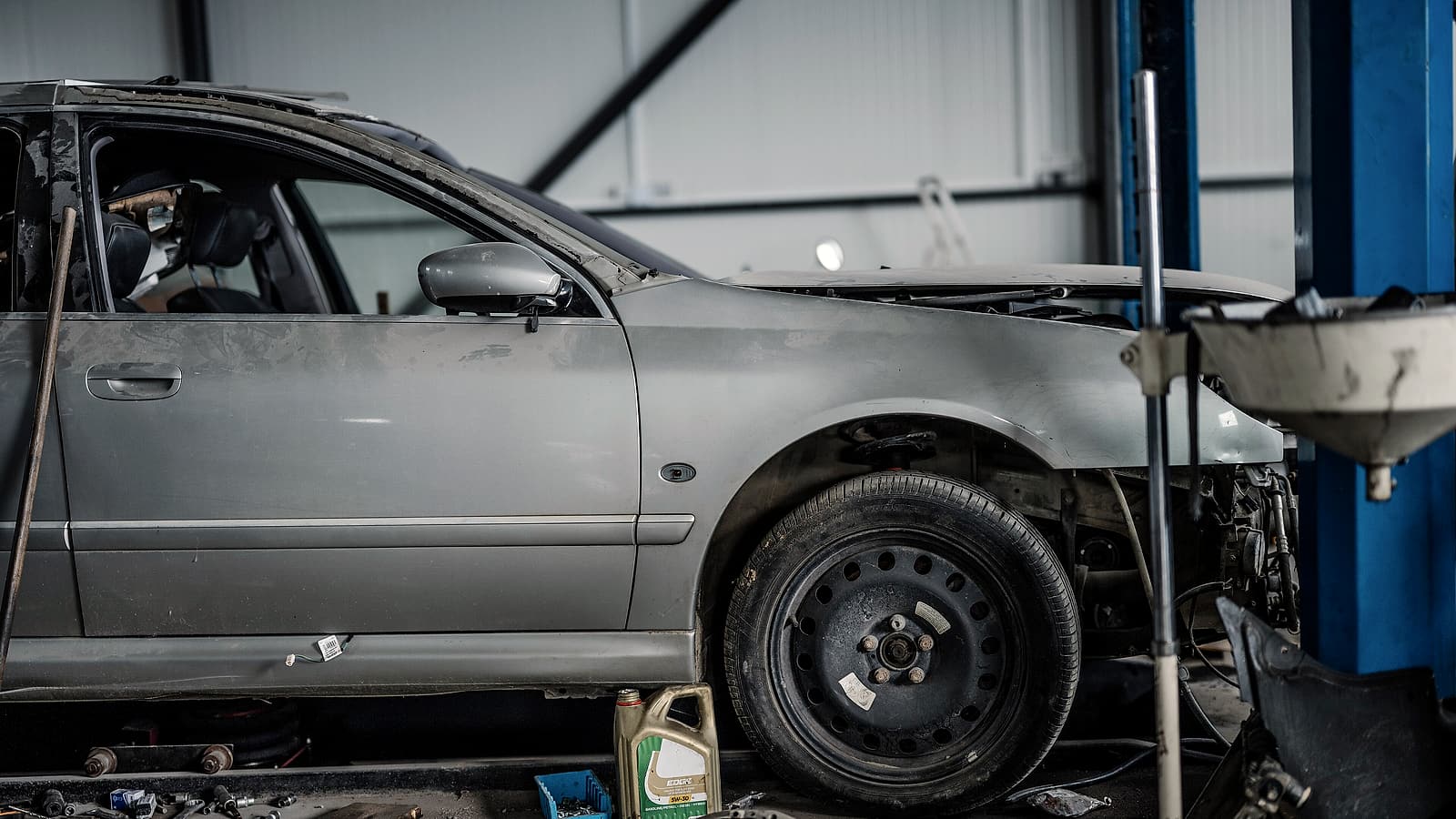
Statutes give a person who performs labor or supplies materials on a vehicle a lien on it for the reasonable value of the work. The lien is possessory: it depends on retaining the vehicle and is generally lost by voluntary surrender, without revival when the vehicle returns. It secures only authorized work, so a shop that exceeds a written estimate or works without authority may hold no lien for the excess.
The repair lien is the oldest device in this area and the simplest to describe. Someone works on a chattel, improving it, and keeps it until they are paid. Almost every complication in the modern statutes comes from two questions the old rule never had to answer: who was entitled to authorize the work, and what happens when the shop gives the vehicle back.
What creates the lien
Statutes give a lien to a person who performs labor or furnishes materials on a vehicle, for the compensation reasonably due. The lien attaches to the vehicle itself rather than to any other property of the owner.
Two elements are essential. The work must have been done at the request of someone entitled to make it, and the shop must have possession of the vehicle.
The class of persons who can create a lien is broader than the registered owner. Statutes commonly extend it to a person in lawful possession, which includes a lessee, a borrower or a driver with the owner's authority. That breadth is what allows a shop to accept a car from whoever drove it in, and it is also what produces disputes with owners who never authorized anything.
The breadth has limits. A person in possession without any right to be, such as someone who took the vehicle without permission, cannot create a lien against the true owner, and a shop that accepts work from a stranger takes the risk that the authorization was worthless. Some statutes require the shop to have acted in good faith and without notice of any defect in the customer's authority, which puts a modest inquiry burden on the shop when the circumstances are unusual.
The scope of the authorization
The lien secures the work that was authorized. Automotive repair acts in most states convert that into a documentary requirement: a written estimate before work begins, a signed authorization, and further authorization before exceeding the estimate by more than a stated margin.
Where a shop exceeds the authorization, the excess is not secured, and in states with a strong repair statute it may not be recoverable at all. That is a severe consequence and it is applied fairly often, because the documentary trail either exists or it does not.
Telephone authorizations are permitted in most states but must be recorded: the date and time, who was spoken to, what was authorized and the revised figure. A note added afterwards, in a hand nobody can identify, is not the record the statute contemplates.
The practical rule is that a shop's lien is only as large as its paperwork. A large bill with a thin file is a bill the customer can attack line by line, and a lien asserted for an unsecured amount weakens the retention of the vehicle as well.
| Question | Repair lien | Towing and storage lien | Self-storage lien |
|---|---|---|---|
| What creates it | Labor or materials furnished on the vehicle | Removal and storage of the vehicle | Rental of a space under a written agreement |
| Depends on possession | Yes | Yes | No, but access is denied on attachment |
| Authorization needed | By the owner or a person in lawful possession | By the property owner or a public agency | By the rental agreement itself |
| Lost by release | Ordinarily yes | Ordinarily yes | Not applicable |
| Enforcement | Statutory notice and sale, with title machinery | Statutory notice and sale | Notice, advertisement and auction |
Possession, and losing it
A possessory lien exists because the holder has the goods. Release the goods voluntarily and the lien ordinarily ends, permanently, without reviving if the vehicle returns.
This produces the most common and most avoidable failure in the field. A shop lets a customer take the car to arrange finance, to obtain a second opinion, or simply out of goodwill, and discovers that the security it held has evaporated. What remains is a contract claim for the price against a customer who has the vehicle and no incentive to pay.
The exceptions are narrow. Release obtained by trick or without the shop's consent does not extinguish the lien in most states, though recovering the vehicle then requires legal process rather than self-help. Some states permit a lien to survive release where a written agreement made at the time says so, and a shop that intends to release should reduce that agreement to writing before the keys change hands.
A shop holding a vehicle is exercising a self-help remedy, and it is lawful only to the extent of a valid lien. Where a customer tenders the amount properly due for authorized work and the shop refuses release because of a disputed additional charge, the shop has moved from asserting a lien to detaining property. That is the sequence that turns a routine billing argument into a conversion claim with damages measured by the value of the vehicle and the loss of its use.
Enforcing the lien
Holding the vehicle indefinitely is not a remedy. Statutes provide an enforcement route, and a shop that ignores it accumulates storage charges against a vehicle it cannot sell.
The route typically begins with an application to the state vehicle agency, which supplies the registered owner and any recorded lienholder from the title record. Notice then goes to those parties by certified mail, stating the amount claimed, the vehicle, the intended sale and the recipient's right to a hearing or to file a declaration of opposition.
Where opposition is filed, the shop must obtain a court order before selling. Where none is filed, the sale proceeds after publication, and the proceeds are applied to the lien and the costs of sale, with any surplus dealt with as the statute directs.
Several states operate two tracks, with a shorter procedure for vehicles below a stated value and a fuller one above it. The value threshold determines which notice and waiting periods apply, and using the wrong track is a defect in the sale.
The title at the end of it
The point of the enforcement machinery is that it produces a transferable title. A buyer at a properly conducted lien sale can register the vehicle, which is the whole reason for routing a vehicle out of any general property sale and into this procedure.
That is why a vehicle found in a storage unit is usually directed to the vehicle lien route rather than sold with the household goods, as described under property a lien sale cannot simply sell, and why the application and search steps matter so much. They are set out under titling an abandoned vehicle after a lien sale.
The charges that a towing and storage operator may recover through the parallel lien, and the limits on them, are covered under vehicle storage charges and the caps on them. The two liens are close cousins and are frequently asserted over the same vehicle, which is one reason the notice lists in both statutes reach the same set of interested parties.
Points to carry away
- The lien secures labor and materials furnished on the vehicle at the request of a person entitled to authorize the work.
- It is a possessory lien, so it depends on the shop retaining the vehicle.
- Voluntary surrender of possession ordinarily extinguishes the lien rather than suspending it.
- Work outside the authorization, including amounts above a written estimate, may not be secured.
- Enforcement runs through a statutory notice and sale procedure rather than through simple retention.
Questions readers ask
Can a shop keep a vehicle over a disputed bill?
It can retain the vehicle to the extent of a valid lien, but the lien only secures the amount lawfully owed for authorized work. Where part of the bill is properly due and part is disputed, retention for the whole amount is risky, because a shop that holds a vehicle for a sum it is not entitled to may convert an ordinary fee dispute into a conversion claim. Where the customer tenders the undisputed amount and the shop still refuses release, the position becomes considerably worse for the shop.
What happens if the shop lets the customer take the car and then is not paid?
In most states the possessory lien is gone. The lien depends on possession, and voluntary surrender ordinarily extinguishes it rather than suspending it until the vehicle comes back. The shop is left with a contract claim for the price, which is an unsecured debt. Some states allow a lien to be preserved by a written agreement made at the time of release, and a few permit a lien to be recorded, but a shop that simply hands over the keys expecting to reclaim the vehicle later has usually given up its security.
Does a lienholder or lessor have to be told?
Yes, before enforcement. Enforcement statutes require notice to the registered owner and to any recorded lienholder, obtained from the title records, and a sale conducted without that notice is exposed. The reason is that a repair lien enforced by sale can extinguish or subordinate other interests in the vehicle, and those interest holders are entitled to a chance to pay. A shop that has not searched the title record has not identified everyone the notice must reach.
Sources
- California Civil Code § 3068 — Lien for labor and materials on a vehicleCreates the vehicle repair lien and states when it attaches and who may authorize work.
- California Civil Code § 3067 — Lien for labor on personal propertyThe general possessory lien for work done on personal property at the owner's request.
- California Civil Code § 3071 — Lien sale procedureSets the application, notice and sale procedure for enforcing a vehicle lien.
- California Civil Code § 3072 — Lien sale of lower value vehiclesA separate, shorter procedure for vehicles below a stated value.
- Florida Statutes § 713.58 — Liens for labor or services on personal propertyCreates the possessory lien for labor and services on personal property.
- Florida Statutes § 713.585 — Enforcement by sale of a motor vehicleSets the notice to owners and lienholders and the sale procedure for a repair lien.
- California Civil Code § 3068.1 — Lien for towing and storageThe parallel lien where a vehicle is towed or stored rather than repaired.
Metro Law Advisors is a publication, not a law firm. This article states general rules and cites its sources; it is not advice about any particular case, and the law differs by state and changes over time.
More in Liens & Towing
Signage That Makes a Private Tow Lawful
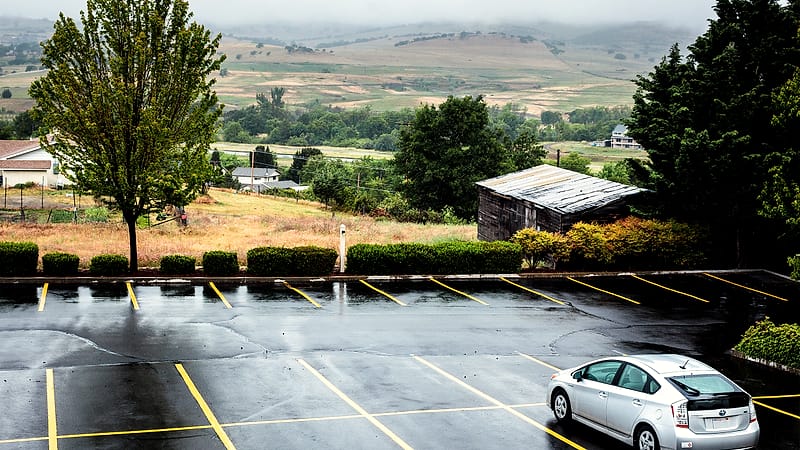
Statutes authorizing removal of a vehicle from private property without the owner's consent generally require a sign posted in plain view at each entrance, of a stated minimum size with lettering of a stated height, prohibiting unauthorized parking, stating that vehicles will be removed at the owner's expense, and giving telephone numbers. Where the sign does not comply, the tow is unauthorized and statutes commonly impose double charges or other liability.
Getting a Towed Vehicle Back and Contesting the Charge
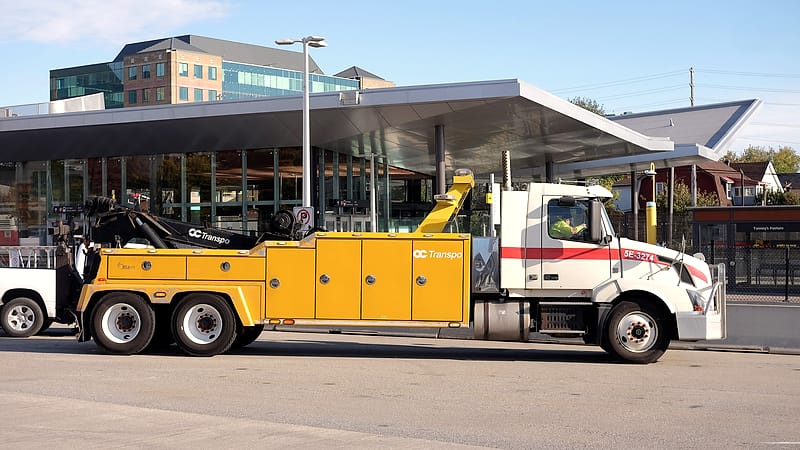
After a vehicle is stored, notice must be given to the registered and legal owners within a short statutory window, stating where the vehicle is, why it was removed and how to request a hearing. Release is generally required within a stated time of the request, the owner may inspect before accepting, and no waiver of damage claims may be required as a condition. A poststorage hearing determines whether reasonable grounds for the storage existed.

Titling an Abandoned Vehicle After a Lien Sale
Converting a possessory lien into a transferable title requires an application to the state vehicle agency, which supplies the registered owner and every recorded lienholder from the title record. Notice goes to each of them with a stated opportunity to pay or to oppose. Where no valid opposition is filed, the sale proceeds after publication and the buyer applies for a certificate of title supported by the lien sale documents.