A knowing violation of the prohibited acts provision carries a civil penalty for each violation, with each product ordinarily constituting a separate offense and a ceiling for any related series, both adjusted for inflation by rule. Knowing includes knowledge obtainable by exercising due care. The amount is set using statutory factors about the violation and additional factors covering the firm's safety and compliance program, history of noncompliance, economic gain and responsiveness.
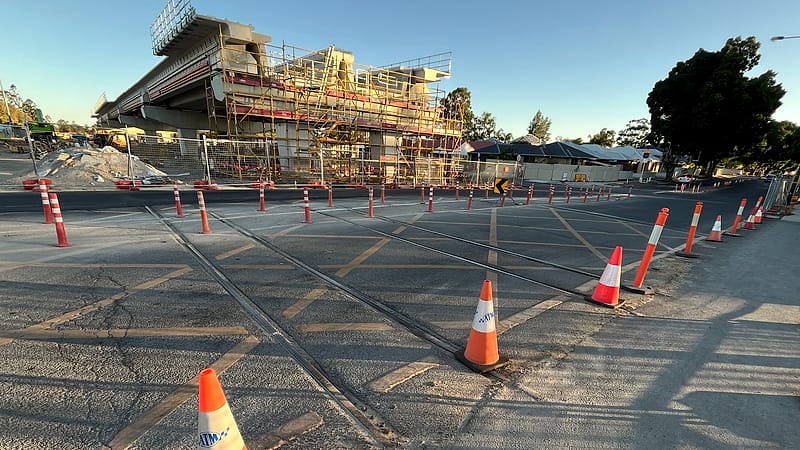
In most states a public grade crossing may not be opened, altered or closed without an order from the state regulatory commission or transportation department. A city, county, railroad or the agency itself may petition. The commission holds a hearing, weighs public safety and convenience against the availability of alternate routes, and apportions the cost of the work among the railroad and the road authorities. Federal-aid funds may pay incentive amounts for closures.
The statute requires safeguards where mental incompetency makes it impracticable for a person to be present at the proceeding, and a regulation permits a representative, legal guardian, near relative or friend served with the charging document to appear instead. A judge may not accept an admission of removability from an unrepresented incompetent person. Where fundamentally fair proceedings are impossible because of incompetency and adequate safeguards are unavailable, termination is mandatory.
Compounding by a licensed pharmacist or physician is exempt from new drug approval, adequate directions labeling and good manufacturing practice only if statutory conditions hold, including a prescription for an identified patient and limits on copying commercially available drugs. An outsourcing facility may compound without patient-specific prescriptions but must register, follow manufacturing practice rules and report adverse events.
An immigration judge may grant a continuance for good cause shown, subject to a rule that asylum adjudication should not exceed one hundred eighty days absent exceptional circumstances. Where a case is waiting on another agency, the primary considerations are the likelihood the collateral relief will be granted and whether it would materially affect the outcome. Diligence, the government's position, the length sought and the number of prior requests are weighed alongside.
A lien sale requires a default as the statute and agreement define it, followed by written notice to the occupant at the last known address and to any alternative address supplied, containing prescribed content. The occupant is given a stated period to pay, commonly at least fourteen days from delivery of the notice. Some states add a preliminary notice fixing a termination date, and several permit email delivery only where the tenant consented in writing.
A person ordered removed may designate one country of removal, and the government must remove to that country unless the designation is disregarded on statutory grounds. The judge separately identifies an alternate country for the record in case the designated country will not accept the person or no designation is made. Designation is not a concession of safety, but it does fix the country against which withholding and torture claims must be proved.
Venue lies at the court where jurisdiction vested when the charging document was filed. A judge may change venue only for good cause, only on a party's motion, only after the other side has had notice and an opportunity to respond, and only where a fixed street address is identified. Custody applications follow the place of detention, so a facility transfer can separate the custody forum from the merits forum, and can change the governing circuit precedent.
The detention statute requires custody for people charged with certain criminal and security grounds, and the regulation removes those categories, along with arriving noncitizens, from an immigration judge's redetermination authority. The only argument available before the judge is that the person is not properly included in the category. That hearing turns on whether the conviction actually matches the ground charged, not on ties, hardship or rehabilitation.
Moving remains from a grave requires the cemetery authority's consent, the written consent of the closest surviving relative under a statutory order, and a disinterment or removal permit from the health authority. Courts asked to authorize a move where consent is missing begin from a presumption that remains stay where they are, and look at the decedent's wishes, the reason for the move and the effect on other burials. Reinterment then follows the receiving cemetery's own rules.
Dismissal is available only on a government motion resting on the grounds that permit cancellation of the charging document, and it is without prejudice to either side. Termination is ordered by the judge, is mandatory where one of seven listed conditions is met, and is discretionary in a further set of situations. Administrative closure ends nothing: it suspends the case temporarily and the matter can be recalendared on a party's motion at any time.
A statute is divisible when its listed alternatives are elements creating separate offenses, and indivisible when they are merely alternative means. Only a divisible statute permits a judge to consult the record of conviction, and only a short list of documents may be opened: the charging paper, a written plea agreement, the plea colloquy transcript and comparable jury materials. Who loses when that record is inconclusive depends on which side carries the burden.