Trespassers on the Track and the Duty a Railroad Owes
A person on the track without permission is owed very little as a matter of law. The exceptions matter more than the rule: known presence, a well-worn footpath, a child drawn to the equipment, and the moment a crew actually sees someone ahead.
The rule in short
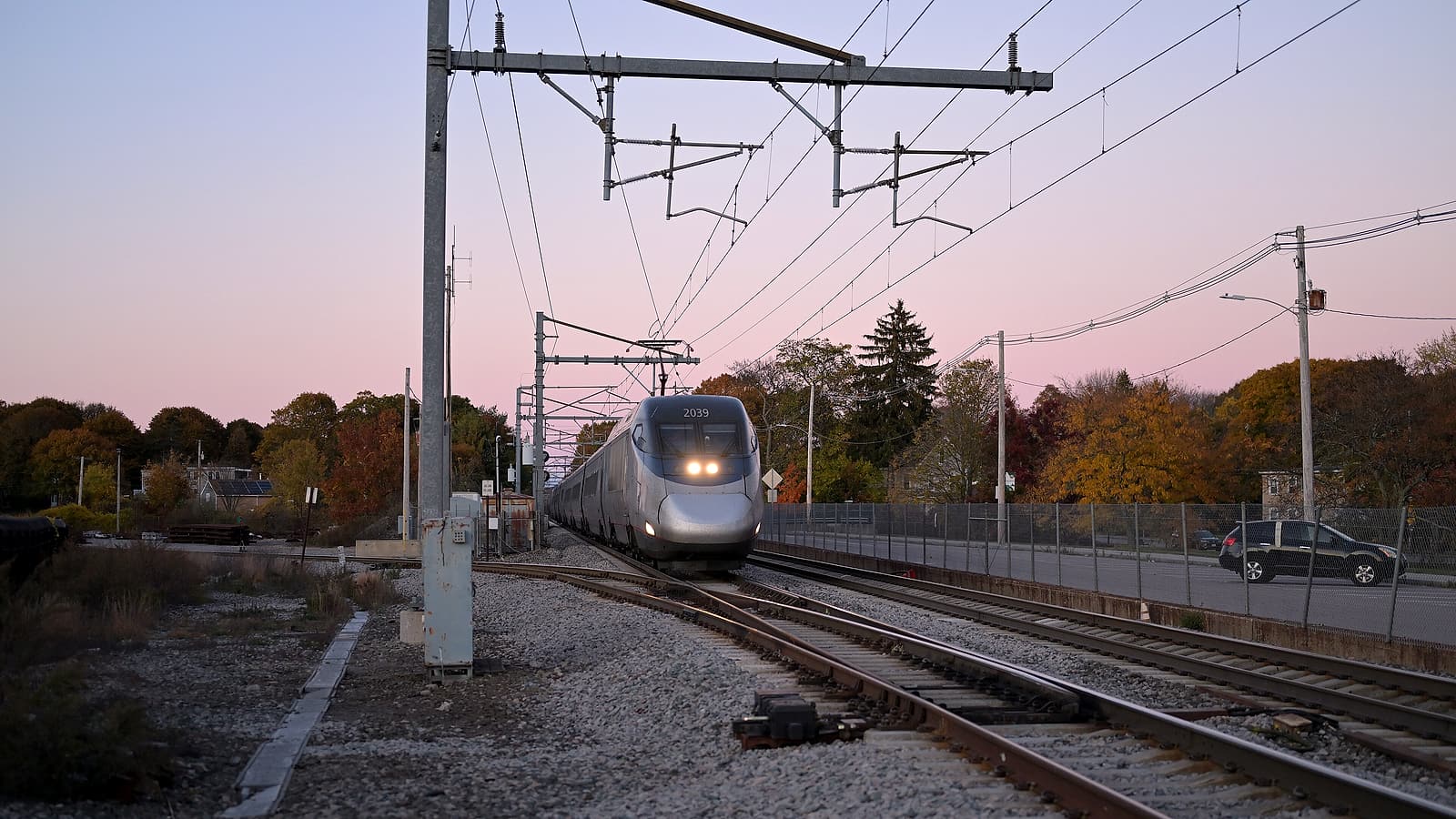
Most states owe a trespasser only a duty to refrain from willful or wanton injury, which means a railroad is generally not liable for failing to anticipate someone on the track. The duty rises where the railroad knows people are regularly present at a location, where a crew discovers a person in peril and can still act, and in some states where a child is attracted to dangerous equipment. State statutes separately criminalize presence on the right of way and define its width.
Rail corridors are open, level and direct, which is exactly why people walk them. The law's response is unsentimental. Someone on the track without permission is a trespasser, and in most states a landowner owes a trespasser only a duty to refrain from willful or wanton injury. There is no general duty to look out for people who should not be there.
The rule as most states state it
Willful or wanton conduct means something more than carelessness. It describes an act done with knowledge that injury is likely, or with reckless disregard of consequences. A railroad operating a train at a lawful speed along its own line, without knowledge of anyone on the track, has not breached that duty even if a person is struck.
This is why so many track fatality claims fail at the threshold. The plaintiff must locate a fact that lifts the case out of the baseline: a known crossing point, an observed person, a child, or an artificial condition the railroad created. Without one of those, the status determines the outcome.
A minority of states have abandoned the rigid categories of trespasser, licensee and invitee in favor of a general reasonableness standard. Even in those states the trespasser's status remains relevant to what was foreseeable, so the practical results converge more than the doctrinal split suggests.
The exceptions that decide real cases
The first exception is tolerated use. Where a railroad knows that people regularly cross at a particular location, many states treat those persons as licensees or apply a duty of ordinary care at that spot. The proof is physical: a worn path, a gap in the fence that was never repaired, a gate left unlocked for years, complaint records, prior incidents at the same location.
The second is discovered peril, sometimes called last clear chance. Once a crew actually sees a person on or dangerously near the track and has the time and means to act, a duty of ordinary care arises regardless of the person's status. The question then becomes mechanical: at what distance was the person visible, what was the stopping distance at that speed and tonnage, and when was the emergency brake applied. The event recorder answers most of it.
The third is the doctrine protecting trespassing children from artificial conditions. Courts generally hold that the danger of a moving train is obvious even to a child, so the doctrine rarely applies to the track itself. It applies more often to standing equipment, ladders, turntables and unsecured switches, where a child may be drawn in without appreciating the risk.
A significant share of rail fatalities involve a deliberate act or severe impairment. Where the evidence shows an intentional act, causation generally defeats the claim regardless of what the crew did, and railroads develop that evidence early through witness statements, video and toxicology. Where impairment is present but intent is not, the case usually becomes a comparative fault dispute rather than a defense.
| Situation | Status of the person | Duty typically owed |
|---|---|---|
| Walking the line at an unmarked location | Trespasser | Refrain from willful or wanton injury |
| Crossing at a long-tolerated worn path | Licensee in most states | Warn of known hidden dangers, and often ordinary care |
| Seen ahead by the crew with time to act | Any status | Ordinary care once the peril is discovered |
| Child drawn to standing equipment | Trespassing child | Reasonable care as to the artificial condition |
| Using a public crossing | Invitee of the road authority | Full crossing duties on both parties |
Stopping distance and the limits of what a crew controls
Discovered peril cases turn on physics that most jurors find counterintuitive. A freight train weighing thousands of tons cannot stop within the distance a driver expects. Emergency braking from track speed can require the better part of a mile, and the train cannot swerve. Establishing that the crew saw a person a quarter mile ahead therefore proves less than it seems.
What the crew can do sooner is sound the horn and begin braking, and that is where these cases actually live. The event recorder shows the moment the horn was activated, the moment the throttle came off and the moment the brake went to emergency, all against speed and distance. An expert then works backward from the point of impact to determine where the train was at each event and what visibility existed at that location.
Sight distance along a curve, at night, with a headlight of a given intensity, is the other half of the reconstruction. A person in dark clothing on a curve may be genuinely invisible until the train is far too close, which is a complete answer to a discovered peril claim rather than an excuse.
State statutes and the width of the right of way
Criminal trespass statutes do more than create an offense; they define the protected area. A representative statute makes it a misdemeanor to enter or remain on the property of a railroad without permission where the presence interferes with the safe and efficient operation of a train, and defines railroad property to include the land on which track sits and the land immediately adjacent to a measured distance on either side. Parallel provisions extend the same protection to transit property.
Those measured distances matter in civil cases, because they establish where a person was as a matter of law rather than impression. Other provisions impose duties on people who are permitted to cross, such as the obligation to close a private crossing gate behind them.
Statutes of this kind also support the defense argument that presence was not merely unauthorized but unlawful, which in some states affects the availability of certain damages. They do not create a private right of action for the railroad against the person, but they shape how the conduct is characterized to a jury.
Building or defending the claim
The theories available to a claimant are narrower than in a crossing case. Arguments about permitted speed are displaced by federal track standards, as set out in the article on federal preemption of state rail safety rules. Arguments about the adequacy of warning devices belong to public crossings, not to a point mid-block, which is the subject of the article on how warning devices are selected.
What survives is the specific: what the crew saw and when, whether the horn was sounded on seeing the person, what the railroad knew about pedestrian use at that location, and whether an artificial condition drew the person in. Corridor ownership can matter as well, since a strip held under an easement and a strip owned in fee generate different arguments about who controls access, a distinction covered in the article on railroad rights of way.
Points to carry away
- The baseline duty to a trespasser is to avoid willful or wanton injury, not to keep a lookout.
- Where a railroad knows of frequent public crossing at a location, a higher duty commonly attaches.
- Once a crew discovers a person in peril, a duty to use ordinary care to avoid the injury arises.
- State statutes define the protected right of way by a measured distance from the track.
- Comparative fault rules mean that a claim can survive the trespass finding and still be sharply reduced.
Questions readers ask
Does a fence or a sign change the analysis?
It changes the evidence more than the rule. Fencing and posted signs support the argument that presence was not tolerated and that the railroad had no reason to expect people at that location. A fence with a long-standing gap, or signs that were removed and never replaced, cut the other way and are often the strongest proof that the railroad knew of regular use. Most states impose no general duty to fence a right of way, though some require it in specific settings such as near schools or in urban corridors.
How is a child's case different?
Many states apply a doctrine holding a landowner liable for injury to a trespassing child caused by an artificial condition the child was unlikely to appreciate, where the owner knew children were likely to be present and the burden of eliminating the danger was slight compared with the risk. Tracks themselves are often held to be an obvious danger outside the doctrine. Standing equipment, unlocked switches, turntables and ladders on parked cars are treated differently, because a child can be drawn to them without grasping the risk.
Can a settlement follow even when the person was clearly trespassing?
Frequently, because trespass status limits the duty rather than ending the inquiry. If the crew saw the person with time to brake or sound the horn and did neither, the discovered peril rule supplies a duty regardless of status. If the location was a long-tolerated crossing point, the elevated duty applies. Comparative fault then reduces the recovery by the share attributed to the person's own conduct, which in these cases is usually large but rarely total.
Sources
- California Penal Code § 369i — Entry on railroad or transit propertyA representative statute defining railroad property and criminalizing entry that interferes with operations.
- California Penal Code § 369d — Failure to close a private crossing gateAn example of the private crossing duties imposed on those permitted to cross.
- 49 U.S.C. § 20106 — PreemptionWhy a state duty of care claim survives while a claim about permitted speed generally does not.
- 49 CFR Part 213 — Track Safety StandardsThe track classes that fix maximum operating speed and displace an excessive speed theory.
- 49 U.S.C. § 20160 — National crossing inventoryThe crossing record that shows whether a location is a recognized crossing or an informal path.
- Federal Railroad AdministrationThe agency responsible for rail safety programs, including trespasser prevention work.
Metro Law Advisors is a publication, not a law firm. This article states general rules and cites its sources; it is not advice about any particular case, and the law differs by state and changes over time.
More in Rail & Transit
Railroad Rights of Way and What Happens When Service Ends
Rail corridors were assembled by purchase, condemnation and federal land grant, so the interests range from full ownership to a limited easement. When a railroad seeks to abandon a line, the Surface Transportation Board decides whether to authorize it. Before abandonment takes effect, a trail sponsor may seek interim trail use under the National Trails System Act, which railbanks the corridor: the easement does not terminate and reversion does not occur.
Fare Enforcement, Citations and the Hearing That Follows
Fare evasion was traditionally a criminal infraction. Many states now let a transit agency adopt an ordinance imposing an administrative penalty instead, enforced by designated inspectors on a proof-of-payment basis. The notice of violation sets a short period to pay or to request review, followed by an administrative hearing and, in most systems, a limited right of appeal to a court. Ignoring the notice usually escalates the amount and can send the debt to collection.
Quiet Zones and the Rules on Sounding a Horn
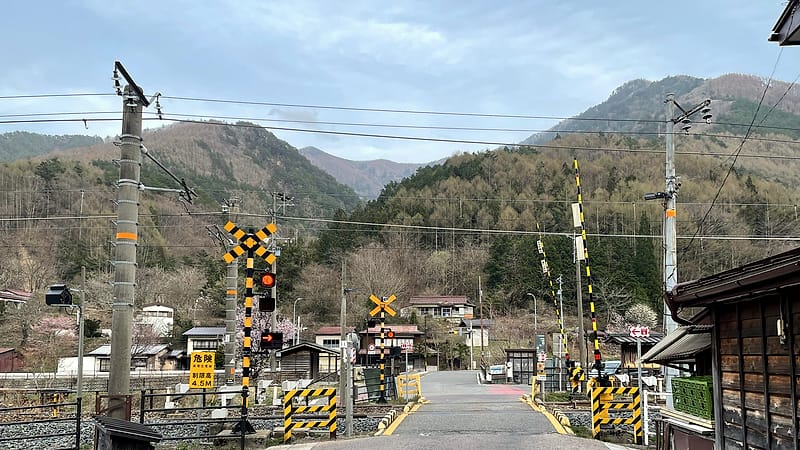
A federal rule requires the horn to be sounded in a prescribed pattern in advance of every public highway-rail grade crossing. A public authority may suspend that requirement by establishing a quiet zone, which requires every public crossing in the corridor to have flashing lights and gates, plus supplementary or alternative safety measures or a risk level below the threshold. Notice to the railroad and the state and federal agencies is required, and the zone can be terminated.